THE REMARKABLE SPACES
THE 19TH-CENTURY KITCHEN
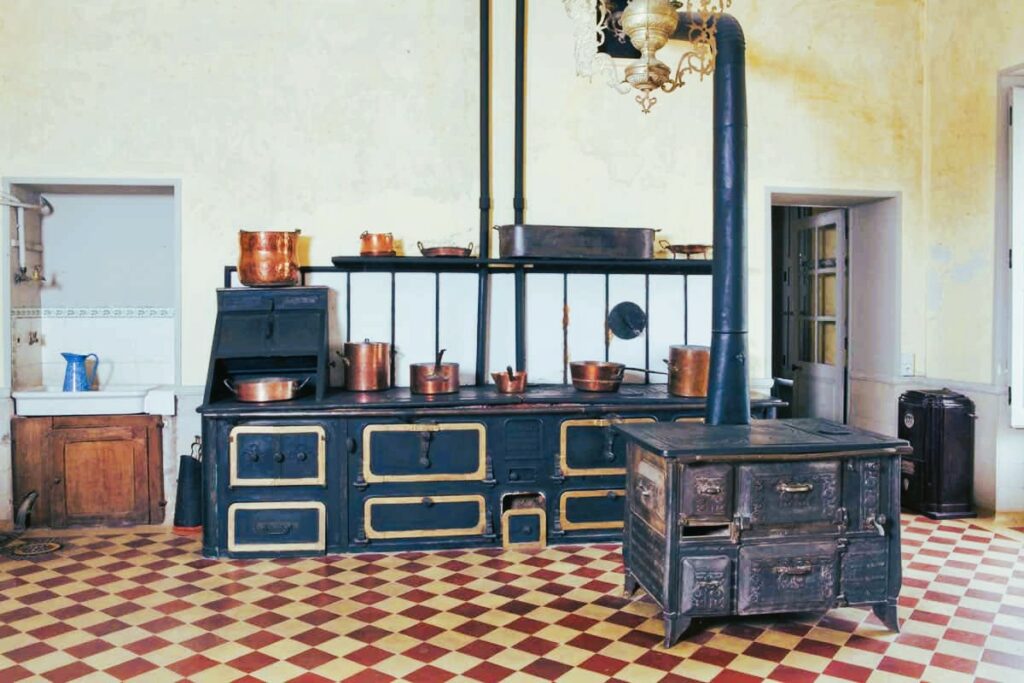
Installed in the 19th century in the d’Argenson Wing, the château’s main kitchen reflects the evolution of domestic life and the arrival of modern comfort.
Its vaulted hearths, cast-iron stove, stone worktops and gleaming copperware form a remarkably well-preserved ensemble.
Bustling with activity during receptions, it was the beating heart of the household, where dishes were prepared for the grand dining rooms.
Through its size and fittings, this kitchen embodies the transition between the traditions of aristocratic houses and the technological advances of the 19th century — a blend of practicality and elegance that perpetuated the d’Argenson art of living.
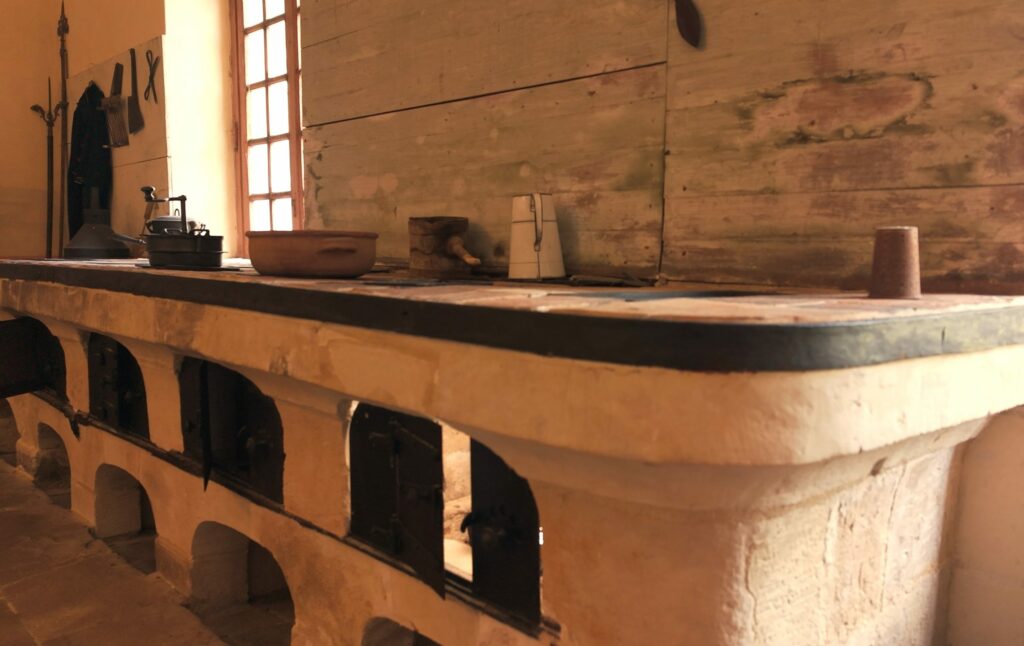
THE 18TH-CENTURY KITCHEN
THE ORANGERY
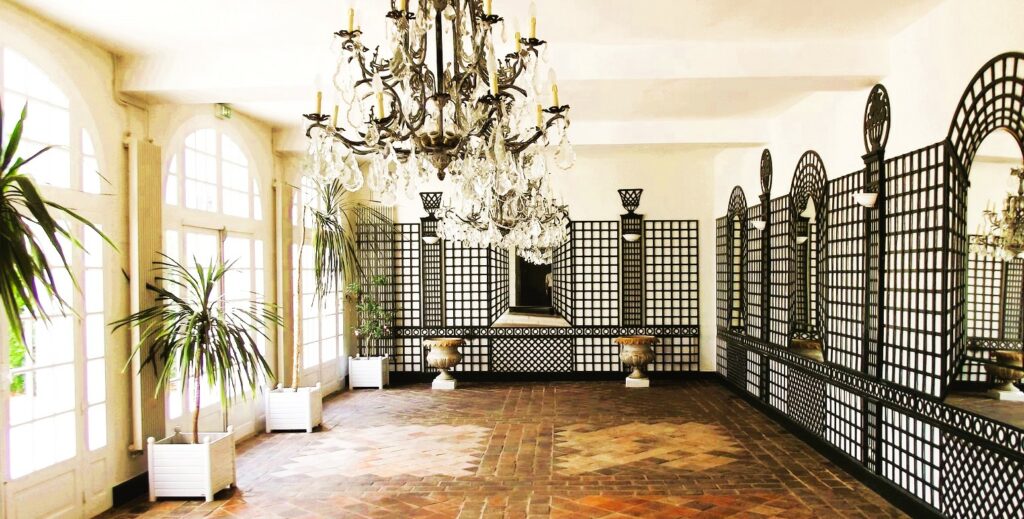
Built at the end of the Pussort Wing in the 20th century, the Orangery originally sheltered the orange trees and exotic plants that adorned the cour d’honneur and the park during the warmer months.
Its façade, lined with tall arched windows, filled the rooms with soft light ideal for preserving delicate species.
Enlarged over time, the Orangery now comprises several rooms equipped with every modern convenience, designed to host receptions, exhibitions and cultural events at the Château des Ormes.
THE FARMYARD
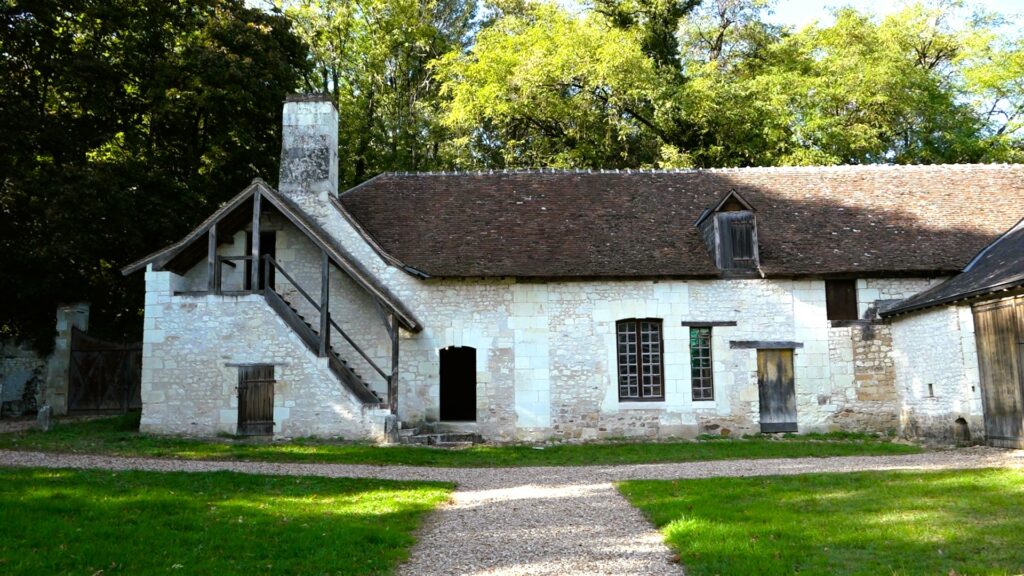
Located to the left of the cour d’honneur, the farmyard once formed a vast complex of buildings dedicated to the estate’s services — including a forge, foundry, bakery, and stables. Its current architecture partly dates back to the mid-18th century, when a central wing was added.
Among its highlights is the boathouse of the motorboat Suzette II, one of the château’s most remarkable pieces. On the left, where the former sheds and latrines once stood — now partly demolished — were the château’s old bath apartments, which have since disappeared.
The farmyard also preserves notable architectural elements, including two Doric columns from the former portico designed by Charles De Wailly for the château — rare and precious remains of one of this great 18th-century architect’s major works.